
Investing in energy-efficient windows is one of the smartest upgrades you can make, transforming your home’s comfort, aesthetics, and long-term value. It’s not just about saving money; it’s about creating a more comfortable living environment, reducing your carbon footprint, and enhancing your home’s curb appeal. This guide will walk you through the many benefits and key features of energy-efficient windows, helping you make an informed decision for your biggest asset.
The Problem with Old Windows
Many older homes have single-pane windows or outdated double-pane units that don’t meet modern energy standards. These windows are essentially holes in your insulation, allowing heat to escape in winter and enter in summer. This constant battle against the elements forces your HVAC system to work harder, leading to higher energy consumption and inflated utility bills. Beyond the financial drain, inefficient windows may lead to uncomfortable drafts, cold spots near windows, and excessive noise from outside. Upgrading to energy-efficient windows directly addresses these common homeowner frustrations.
Key Features of Energy-Efficient Windows
What makes a window “energy-efficient”? It’s a combination of several innovative technologies designed to minimize heat transfer and maximize insulation. Understanding these features will help you choose the best options for your home. Double-pane windows are standard, but triple-pane options offer even greater insulation. The space between these panes is often filled with inert gases, which are denser than air and further reduce heat transfer. Secondly, Low-E (low-emissivity) coatings are microscopic, transparent metallic layers applied to the glass. These coatings reflect infrared light, keeping heat inside during winter and outside during summer, without noticeably affecting visible light transmission. Thirdly, the frame material plays a crucial role. Vinyl, fiberglass, and wood are common choices, all offering good insulating properties, whereas aluminum frames (without thermal breaks) are generally less efficient. Lastly, warm-edge spacers are designed to reduce heat transfer at the edge of the glass, where heat loss can be common. Together, these elements create a formidable barrier against energy loss.
Benefits Beyond Savings: Why Energy-Efficient Windows are Worth It
While significant savings on heating and cooling bills are often the primary driver for homeowners considering energy-efficient windows, the advantages extend far beyond your wallet. One major benefit is enhanced comfort. With better insulation, your home maintains a more consistent and pleasant indoor temperature year-round. This also means less strain on your HVAC system, potentially extending its lifespan. Another advantage is noise reduction. The multiple panes of glass and gas fills act as an excellent sound barrier, making your home a quieter, more peaceful sanctuary. Furthermore, Low-E coatings help protect your interiors by blocking harmful UV rays that could cause fading of furniture, carpets, and artwork over time. Finally, installing new, modern windows significantly boosts your home’s curb appeal and resale value.
Choosing the Right Energy-Efficient Windows for Your Home
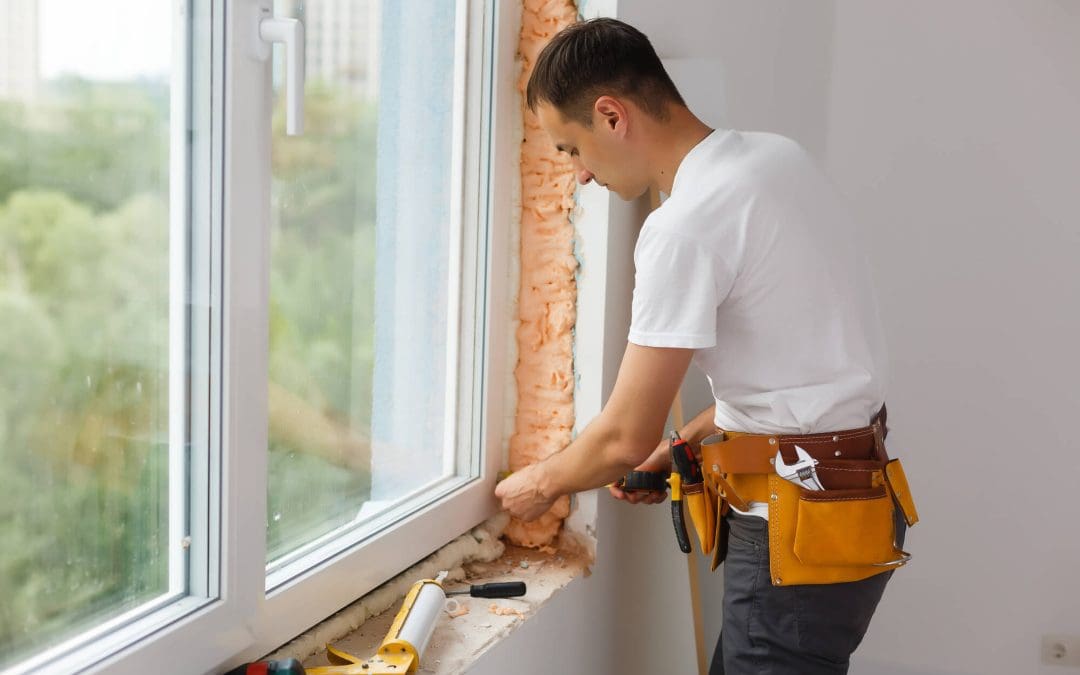
Selecting the ideal energy-efficient windows involves considering a few factors tailored to your specific needs and climate. Look for labels from organizations like ENERGY STAR®, which certify products that meet strict energy efficiency guidelines. Consider the window style that best suits your home’s architecture and personal preferences. Work with a reputable local installer who can assess your home’s unique requirements, recommend the best materials and features, and guarantee a professional installation. A proper installation is just as crucial as the quality of the windows themselves for maximizing their energy-saving potential.
Upgrading to energy-efficient windows is a significant investment, but it consistently delivers returns in comfort, savings, and enhanced home value. By understanding the technology and benefits, you will make a confident decision that will improve your home for years to come.
Frequently Asked Questions (FAQs)
How much can I really save on my energy bills by upgrading my windows?
Savings vary widely based on your climate, existing windows, and utility costs, but homeowners can typically expect to save 15% to 30% on their heating and cooling costs.
Are there any rebates or tax credits available for installing energy-efficient windows?
Often, yes! Federal, state, and local governments, as well as utility companies, frequently offer rebates, tax credits, or other incentives for homeowners who install ENERGY STAR-certified windows. It’s worth checking available programs in your area.
How long do energy-efficient windows typically last?
High-quality, energy-efficient windows, particularly those with durable frames such as vinyl or fiberglass, can last 20 to 30 years or longer with proper care and maintenance.
Do I need to replace all my windows at once to see a benefit?
While replacing all windows at once will yield the greatest energy savings and aesthetic impact, you don’t have to. You can replace them in phases, prioritizing windows in areas with the most significant drafts or sun exposure.
Is the installation process disruptive?
Professional installation aims to minimize disruption. While there will be some noise and activity, a good installer will work efficiently, protect your home, and clean up thoroughly afterward. The process for an average home is often completed in a few days.
I Spy Inspectors provides comprehensive home inspections in Wisconsin. Contact us to schedule an appointment.