
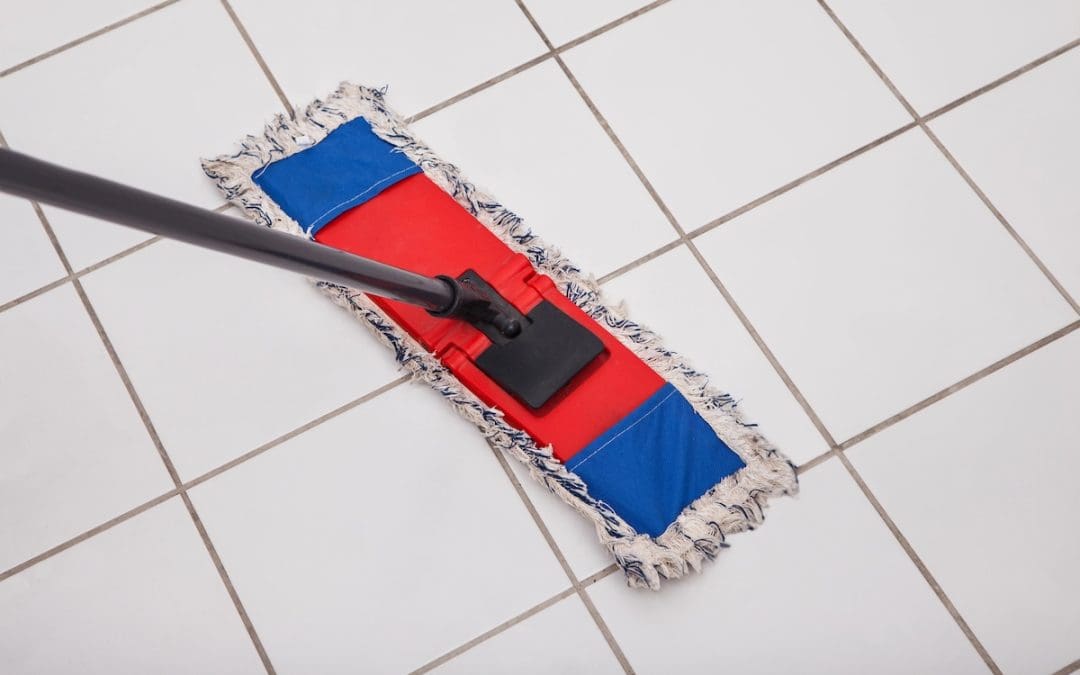
Keeping tile floors looking fresh doesn’t have to feel like a chore. With the right approach, cleaning tile flooring can be quick, effective, and even satisfying. Tile is one of the most durable and attractive flooring options for homes, but like any surface, it requires regular care to maintain its shine and longevity. Dirt, grime, and spills can dull its appearance over time, especially in high-traffic areas like kitchens, bathrooms, and entryways. The good news is that a consistent routine and a few practical techniques will make all the difference. This guide breaks down everything homeowners need to know about maintaining beautiful tile floors, from daily upkeep to deeper cleaning strategies.
Understanding Tile Floors
Tile floors are popular because they are durable, water-resistant, and relatively low-maintenance. However, not all tiles are the same. Ceramic, porcelain, and natural stone tiles each have different care requirements. Ceramic and porcelain tiles are typically easier to maintain because they have a protective glaze that resists stains and moisture. Natural stone tiles such as marble, slate, or travertine are more porous and require gentler cleaning solutions to prevent damage. Another important component is the grout between tiles. Grout is porous and tends to trap dirt, making it one of the biggest challenges when cleaning tile flooring. Proper cleaning techniques help keep both the tiles and grout lines looking fresh.
Daily Habits for Cleaning Tile Flooring
One of the most effective ways to keep tile floors clean is by preventing dirt from building up in the first place. Regular sweeping or vacuuming removes dust, crumbs, and debris that could scratch the tile surface or settle into grout lines. A soft broom, microfiber dust mop, or vacuum with a hard-floor setting works well for daily maintenance. This step may seem simple, but it plays a big role in keeping floors looking polished. After removing loose dirt, occasional damp mopping helps maintain the floor’s shine. Using warm water with a mild cleaner designed for tile is usually enough for everyday cleaning. Avoid soaking the floor, as excess water may seep into grout lines and cause discoloration over time.
Deep Cleaning Tile Flooring for Stubborn Dirt
Even with regular care, tile floors eventually need a deeper cleaning to remove built-up grime. Deep cleaning tile flooring typically involves focusing on both the tile surface and the grout. Start by sweeping or vacuuming thoroughly to remove loose debris. Then mop the floor with a gentle tile cleaner or a mixture of warm water and a small amount of mild detergent. Let the solution sit briefly to loosen dirt before scrubbing lightly with a soft brush or microfiber mop. Grout lines often require extra attention. A soft brush and a mild cleaning solution will help lift dirt from the porous surface. Scrubbing gently is important to avoid damaging the grout. After cleaning, rinse the floor with clean water and dry it with a microfiber cloth or towel to prevent streaks.
Common Mistakes When Cleaning Tile Flooring
While tile floors are durable, certain cleaning habits may cause damage over time. One common mistake is using harsh chemicals or abrasive cleaners. These products can strip protective coatings, discolor grout, or dull the tile finish. Another mistake is using too much water. Tile itself is water-resistant, but grout lines may absorb moisture. Excess water could weaken grout and lead to mold or mildew in damp areas. Using rough scrubbing pads could scratch glazed tile surfaces. Gentle tools like microfiber mops or soft brushes are usually the safest option. Consistency is another factor many homeowners overlook. Waiting until tile floors are visibly dirty makes the cleaning process more difficult. Regular maintenance keeps dirt from accumulating and makes deeper cleaning much easier.
Tools That Make Cleaning Tile Flooring Easier
The right tools significantly simplify tile floor maintenance. Microfiber mops are one of the most effective options because they capture dust and grime without scratching the surface. Soft-bristle brushes are useful for grout lines and stubborn spots, while pH-neutral tile cleaners help maintain the finish of both ceramic and natural stone tiles. A steam mop can be helpful for occasional deep cleaning, as the heat loosens grime and sanitizes the floor without requiring harsh chemicals. However, it should be used carefully on certain types of grout or natural stone.
Long-Term Care for Beautiful Tile Floors
Keeping tile floors in excellent condition involves more than just routine cleaning. Preventative measures help preserve their appearance for years. Placing mats near entrances helps reduce the amount of dirt tracked onto the floor. Quickly wiping up spills prevents stains and protects grout lines. Periodically sealing grout will help prevent moisture and dirt from penetrating the surface. When homeowners stay consistent with these simple habits, tile flooring continues to look clean, bright, and durable for many years.
Frequently Asked Questions (FAQs)
How often should tile floors be cleaned?
Sweeping or vacuuming tile floors should ideally be done several times a week, especially in high-traffic areas. Mopping once a week is usually enough for regular maintenance.
What is the best cleaner for tile floors?
A mild, pH-neutral cleaner designed for tile is typically the safest choice.
How do you clean dirty grout between tiles?
Grout can be cleaned with a soft brush and a mild cleaning solution. Gently scrubbing the grout lines helps lift trapped dirt without damaging the material.
Can vinegar be used for cleaning tile flooring?
Vinegar can be used on ceramic and porcelain tiles in small amounts, but it should not be used on natural stone tiles like marble or travertine because the acidity can damage the surface.
I Spy Inspectors provides comprehensive home inspections in Wisconsin. Contact us to schedule an appointment.