
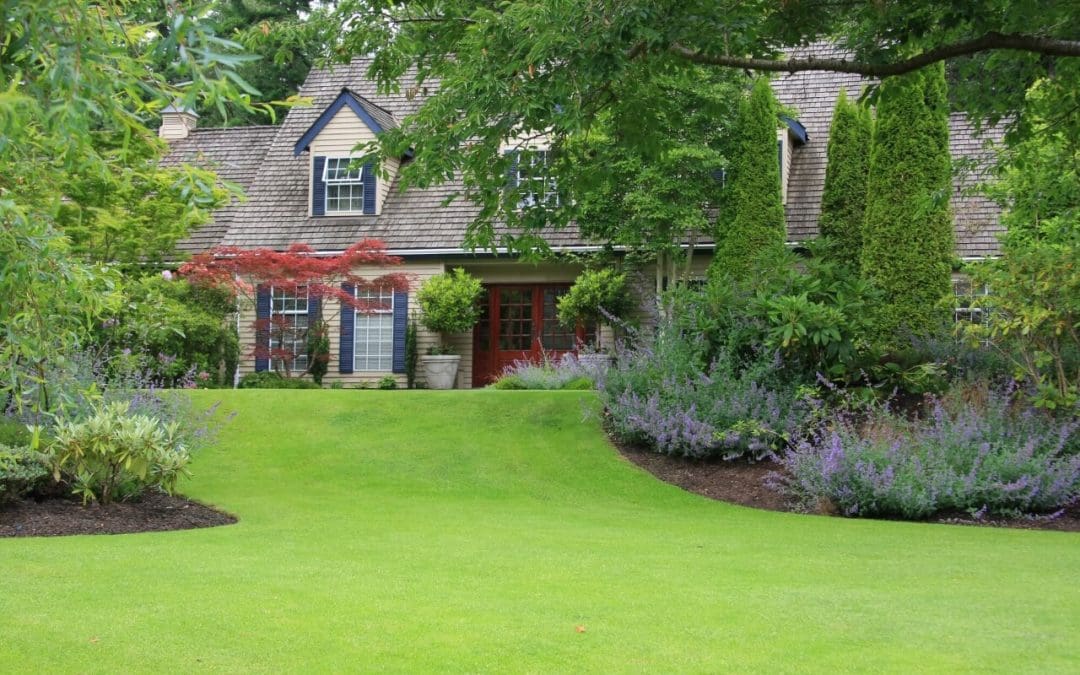
A beautiful yard doesn’t require a professional landscaper, an unlimited budget, or years of gardening experience. With the right approach and a few smart decisions upfront, easy landscaping is entirely within reach for any homeowner willing to put in a modest amount of time and effort. Whether you’re starting from scratch or refreshing an existing yard, these practical tips make the process more manageable and far more enjoyable.
Easy Landscaping Starts With a Simple, Smart Plan
The most common landscaping mistake homeowners make is diving in without a plan. Buying plants on impulse, placing them wherever there’s an open spot, and ending up with a yard that looks busy and unintentional rather than designed. A simple sketch of your property that identifies existing features, areas of sun and shade, and the locations of any structures or utilities gives you a framework for making decisions that result in a cohesive, attractive finished product. Keeping the design simple, clean bed lines, a limited plant palette, and defined transitions between lawn and planting areas is the hallmark of a yard that looks professionally done.
Choose the Right Plants for Easy Landscaping Success
Plant selection is where the majority of landscaping success or failure is determined. Native plants and climate-adapted perennials are the foundation of any easy-care landscape because they’re naturally suited to local conditions, require little to no supplemental watering once established, and resist local pests and diseases without intervention. Perennials are a particularly smart investment because they return year after year without replanting, gradually filling in to create a fuller, more established look over time. Avoid high-maintenance plants that require frequent pruning, staking, or division to stay in check, they quickly become more work than they’re worth and undermine the goal of a yard that’s enjoyable rather than demanding.
Easy Landscaping Wins With Mulch and Edging
Two of the highest-impact, lowest-effort landscaping improvements available to any homeowner are mulching and edging, and neither requires significant skill or expense to execute well. A two-to-three-inch layer of organic mulch in all planting beds suppresses weeds, retains soil moisture, regulates temperature, and gives the yard a finished, intentional appearance that makes everything around it look better by association. Clean, crisp edging along the border between lawn and garden beds creates a visual separation that makes a yard look significantly more polished and well-maintained. Together, mulch and edging deliver more visual impact per dollar and hour invested than almost any other landscaping task.
Group Plants Strategically for Lower Maintenance
One of the smartest landscaping strategies available is grouping plants with similar water, sunlight, and soil needs together in the same beds, a practice known as hydrozoning. When plants with different requirements are mixed together, caring for any of them correctly means neglecting the others. Grouping compatible plants simplifies watering, fertilizing, and general care significantly, and tends to produce more visually cohesive planting combinations that look intentional and well-considered rather than randomly assembled. Taller plants at the back of a bed, medium varieties in the middle, and low groundcovers at the front create a layered, professional-looking arrangement that requires minimal ongoing adjustment as the plants mature.
Maintain Results With Simple, Consistent Habits
The biggest threat to a great-looking yard is the gradual accumulation of small maintenance tasks left undone over weeks and months. Staying current with mowing, weeding, deadheading spent flowers, and refreshing mulch annually prevents the kind of backlog that turns a manageable yard into an overwhelming project. Investing fifteen to thirty minutes per week during the growing season in basic upkeep keeps the yard looking sharp without requiring marathon weekend sessions to catch up. The homeowners with the most attractive yards are rarely the ones who work the hardest; they’re the ones who stay the most consistent with small, regular habits that prevent problems before they accumulate.
Frequently Asked Questions (FAQs)
What is the easiest landscaping for a beginner?
Start with a simple design that uses native or climate-adapted plants in clearly defined beds with clean edging and a generous layer of mulch. Limit the number of different plant varieties to keep care manageable, and focus on perennials that return each year without replanting.
How do I landscape my yard on a budget?
Growing plants from seed, dividing existing perennials rather than buying new ones, sourcing free mulch from municipal composting programs, and tackling projects one area at a time are all effective strategies for landscaping on a tight budget.
How do I keep weeds out of my landscaping?
A thick layer of mulch is the most effective and low-maintenance weed suppression strategy available.
What are the best low-maintenance plants?
Native plants, ornamental grasses, daylilies, coneflowers, black-eyed Susans, hostas, and lavender are all popular low-maintenance choices that perform well in most regions with minimal intervention. Checking with a local nursery or cooperative extension office for varieties specifically suited to your climate and soil type ensures the best long-term results.
How long does it take for a new landscape to look established?
Most new landscapes begin looking significantly more established after two to three growing seasons as perennials fill in, shrubs take shape, and beds become fuller and more defined. The first season is primarily about establishment. By the second and third seasons, most well-chosen landscapes start delivering on their visual potential.
I Spy Inspectors provides comprehensive home inspections in Wisconsin. Contact us to schedule an appointment.