
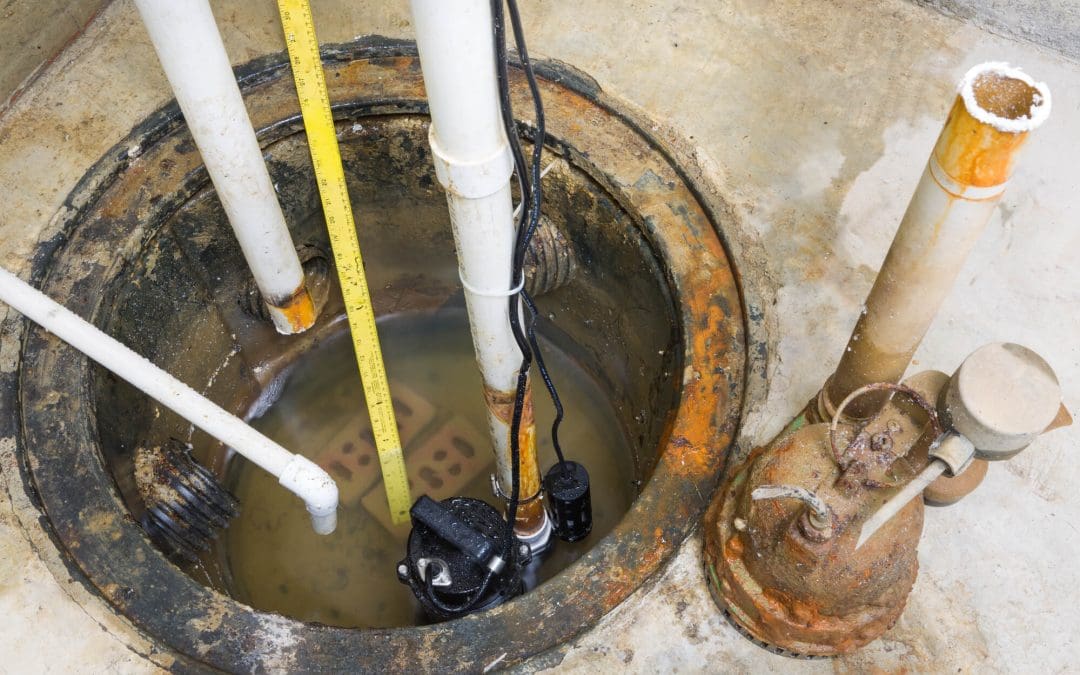
A sump pump works quietly in the background until the day it doesn’t, and in Wisconsin that day is usually during a spring thaw or a heavy storm, when the basement needs it most. Water in a basement could ruin flooring, stored belongings, and drywall, and it can lead to mold within days. The good news is that a sump pump is easy to test, and a few minutes of attention each season can help it last longer. Here’s how to check yours, keep it working, and prepare for the day the power goes out.
How to Test Your Sump Pump Every Few Months
Testing takes just a few minutes. Remove the lid from the pit and make sure it’s free of debris. Then pour a bucket or two of water into the pit until the float rises. The pump should start, empty the pit, and shut off on its own. Listen for grinding, rattling, or a motor that runs but doesn’t move water, and check that the discharge pipe outside is sending water away from the house. If the pump doesn’t start, check that it’s plugged in, that the GFCI outlet hasn’t tripped, and that the float isn’t stuck before you call for help. Test the pump every three or four months so you’ll find problems when you have time to fix them. Write the test date on a sticker near the pit so you can see when it was last checked.
Clean the Pit and Check the Components
Over time, silt, gravel, and debris collect in the pit and can jam the float or clog the sump pump. Unplug the pump, clear the pit, and clean the intake screen if there is one. Make sure the float switch moves freely and doesn’t stick against the wall of the pit. Check that the check valve on the discharge line, which stops water from flowing back into the pit, is working. The pump should be plugged into its own grounded outlet, ideally one with GFCI protection. Most pumps last seven to ten years, so plan for replacement before it fails. A tight-fitting lid keeps debris and small animals out and helps limit humidity and odors in the basement.
Plan Your Sump Pump Backup for Storms and Power Outages
Heavy storms often knock out power right when the pump is working hardest. A battery backup pump, which runs on a deep-cycle battery, or a water-powered backup that uses municipal water pressure, can keep the basement dry during an outage. If your home relies on a well, a battery backup is typically the better choice. Add a high-water alarm so you know if the water level rises too high, and test the backup system as often as the primary pump. Replace batteries on schedule, and consider a generator if outages are frequent in your area. A smart sensor that sends alerts to your phone can warn you of rising water even when you’re away, which is valuable for second homes and lake properties.
Manage Water Outside the House
The easier it is for water to move away from the foundation, the less work your sump pump has to do. Gutters and grading work together with the pump, and if it runs constantly after storms, look at roof runoff before blaming the pump. Make sure downspouts discharge at least four to six feet from the house, and check that the ground slopes away from the foundation. Keep the sump discharge line clear and pitched so water drains out. In winter, the outlet can freeze and block the line, so use a freeze-resistant discharge fitting and clear snow and ice from around the outlet. Keep the discharge away from neighbors’ property and from the foundation. After heavy rain or snowmelt, walk around the house and look for pooling water near the foundation, and fix low spots with fill dirt.
Frequently Asked Questions (FAQs)
How often should I test my sump pump?
Every three to four months. More frequent checks are wise if your basement has flooded before.
How long does a sump pump last?
Typically seven to ten years, depending on usage and maintenance. If your pump runs frequently, it may wear out sooner.
Why does my pump run constantly?
A high water table, a stuck float, or a failing check valve can all cause constant running. If it never stops, call a professional before the motor burns out.
Do I need a battery backup?
It’s strongly recommended for finished basements or flood-prone areas, since power outages often occur during storms. Test the backup as often as the primary pump.
What should I do if my pump fails?
Remove standing water quickly, dry the area, and call a professional. Document the damage with photos for insurance.
I Spy Inspectors provides comprehensive home inspections in Wisconsin. Contact us to schedule an appointment.