
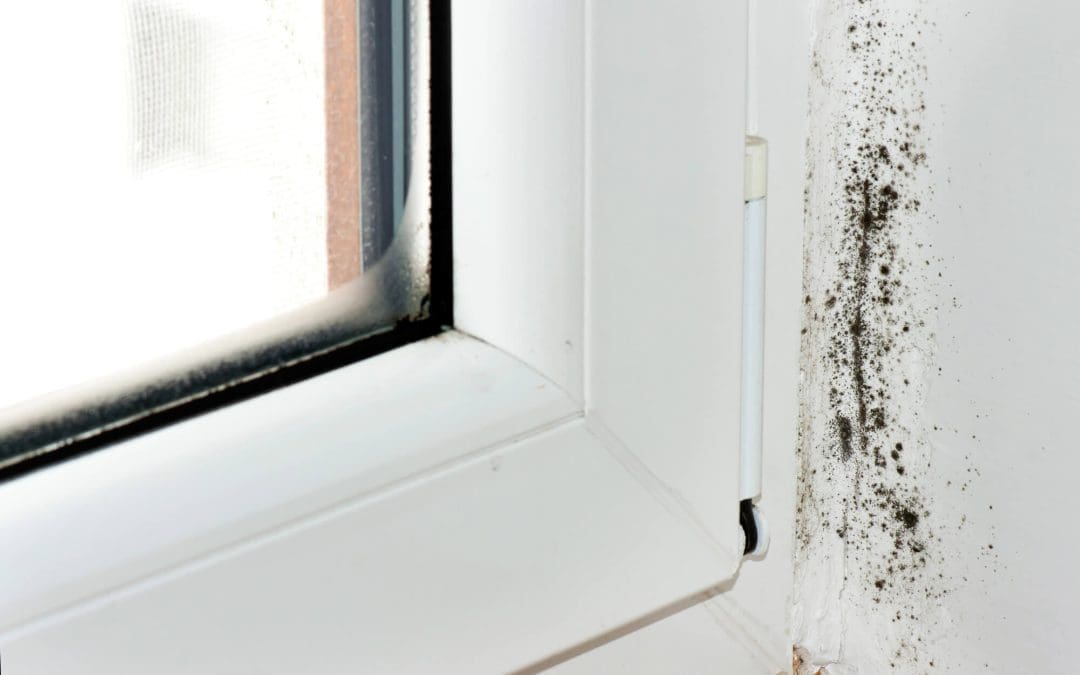
Understanding the causes of mold is one of the most important steps a homeowner can take toward maintaining a safe, healthy living environment. Mold often develops quickly and quietly, and what starts as a minor issue could escalate into structural damage and serious indoor air quality problems if left unaddressed. Knowing what creates the conditions for mold growth makes it far easier to prevent it before it takes hold.
Why Identifying the Causes of Mold Matters
Mold doesn’t appear randomly. It requires a specific combination of conditions to grow: moisture, warmth, and an organic surface to feed on. Homes provide all three naturally, which is why mold is such a common concern. Bathrooms, kitchens, basements, attics, and crawl spaces are all environments where these conditions frequently exist, often without homeowners realizing it. Prevention is always more effective than remediation. Mold removal is invasive, time-consuming, and costly, particularly when it has spread behind walls or beneath flooring. Addressing the underlying causes of mold before growth occurs saves significant money and stress, and protects both the structural integrity of the home and the health of the people inside it.
Moisture, Leaks, and Water Intrusion
Excess moisture is the primary driver behind virtually every case of mold growth in a residential home. The sources of that moisture vary, plumbing leaks, roof damage, foundation cracks, and condensation are all common causes of mold that homeowners should actively monitor and address. Even slow, minor leaks are dangerous because they introduce moisture into walls, ceilings, and subfloors where it lingers without drying out. A dripping pipe under a sink or a small gap in roof flashing might seem trivial, but over weeks and months, the sustained moisture creates ideal conditions for mold to establish and spread. Regular inspections of plumbing, roofing, and the home’s foundation are essential for catching these issues early.
Condensation is another frequently overlooked source of moisture. When warm, humid air meets cooler surfaces, moisture forms and accumulates. In poorly insulated areas, this happens consistently enough to support mold growth without any leak being present at all.
Causes of Mold Related to Poor Ventilation and High Humidity
Ventilation plays a critical role in controlling the moisture levels that allow mold to thrive. When airflow is inadequate, humidity builds up indoors, particularly in rooms that generate steam and moisture regularly. Bathrooms and kitchens are the most vulnerable spaces, but laundry rooms, utility areas, and even bedrooms in tightly sealed homes can develop problematic humidity levels over time. Exhaust fans in bathrooms and kitchens are the most direct solution. Indoor humidity levels should ideally stay between 30 and 50 percent year-round. Above 60 percent, conditions become increasingly favorable for mold. A basic hygrometer allows homeowners to monitor humidity levels in problem areas. Dehumidifiers in basements, crawl spaces, and other persistently damp areas are a practical and effective way to keep humidity in check.
The Role of Organic Materials in Mold Growth
Mold doesn’t just need moisture; it also needs something to feed on. Common building materials like wood framing, drywall, and insulation are all organic and become ideal mold substrates when they get wet. Carpets, upholstered furniture, and even accumulated dust may harbor mold spores and support growth once moisture is introduced. This is why addressing moisture problems quickly is so critical. The longer organic materials remain wet, the more deeply mold can establish itself within them. Materials that have been wet for more than 24 to 48 hours and can’t be thoroughly dried typically need to be removed and replaced.
Consistent home maintenance is the most reliable long-term strategy against mold. Cleaning gutters, maintaining proper drainage around the foundation, sealing windows and doors, inspecting plumbing regularly, and keeping ventilation systems functioning correctly all address the underlying causes of mold before they create a problem.
Frequently Asked Questions (FAQs)
What are the primary causes of mold in a home?
Excess moisture is the root cause in virtually every case. Mold also requires an organic surface to feed on, which most common building materials provide.
Can mold grow even without a visible leak or water source?
Yes. High indoor humidity and condensation on cool surfaces can generate enough moisture to support mold growth without any active leak present.
How can I tell if my home has a mold problem I can’t see?
A persistent musty or earthy odor is often the first indicator of hidden mold. Unexplained allergy symptoms, discoloration on walls or ceilings, and soft or warped areas in drywall or flooring may also signal mold growth behind the surface.
What humidity level prevents mold from growing?
Keeping indoor humidity between 30 and 50 percent creates conditions that are inhospitable to mold.
Does mold impact a home’s resale value?
Yes, significantly. Active mold or evidence of past mold problems raises serious concerns for buyers and their lenders.
I Spy Inspectors provides comprehensive home inspections in Wisconsin. Contact us to schedule an appointment.